Menus to Fit Your Needs
RSW menus and recipes are your compass—guiding you toward enjoyable eating while saving money.
I grew up close to real farm-to-table food, then trained in classic cuisine, and learned from regional cooking while traveling. Funny thing is, we’ve circled back: “homemade” is now what restaurants sell—and what recipe channels chase, often packaged as the “grandma/nonna secret.”
My approach is simpler and more empowering: I share homemade recipes built on technique and sequence—the moves that make food taste great in the real world. Not rigid measurements. Not perfection.
Because when you understand the process, you can adjust what you have, stretch your budget,
and still make meals that feel personal—every time.
Hey—let me share a few small changes that had a big impact for me.
My first priority was learning portion size without turning meals into math. So I bought a new set of smaller bowls, plates, and glasses—more like the “European” sizes I grew up with.
Then I did one simple thing: for 1–2 weeks, I weighed the foods I eat most often (not forever—just long enough to train my eye). After that, I didn’t need the scale as much because I could see a portion.
Now, if I’m served a larger plate—or I go for seconds—I actually know how much more I’m eating.
And here’s the surprise: your belly adjusts faster than you think. Once you get used to a normal portion, your body starts telling you clearly when it’s enough.
One of the most underrated habits: I put my fork down between bites and chew a little longer.
That tiny pause helps you:
-
savor flavor more
-
eat calmer
-
recognize fullness sooner
Oversized plates and bowls are deceptive. A bowl that looks “normal” can quietly hold a huge serving.
Now, with my regular bowls and dishes, I can track portions at a glance:
-
an 8-ounce bowl of soup is one portion
-
refills are easy to count
-
I’m more aware—without obsessing
Another crucial step was reducing a few “easy extras” without banning anything:
-
sugar in coffee: 2 teaspoons instead of 3
-
bread: less often, smaller amounts
Those small cuts alone had me eating about 1/3 less than before—without feeling deprived.
I still ate enjoyable food—different recipes, a glass of wine or beer now and then, even a scoop of homemade ice cream sometimes.
The difference was this: I became mindful of ingredients, nutrition profile, and portion size.
Result: I lost weight steadily. I went from a 48-inch waist to 42 in about nine months, and now I’m aiming for 38 by my one-year mark.
Want the simplest place to start?
Start with portion awareness and mindful pace. It feels small at first—but over time, it changes everything.
Small tweaks. Big payoff.
Cooking is joy. It feeds the body, yes—but it also feeds the spirit.
As a chef, I’ve learned one truth that always holds: quality beats quantity. Fresh ingredients create flavor you can’t fake, even if it means breaking “tradition” once in a while. Tradition should inspire you—not trap you.
Every region cooks differently. Some celebrate the purity of a margherita. Others love the fun of a Hawaiian. In the north you’ll find slow, hearty pots. In warmer climates you’ll taste fire-grilled simplicity. Different climates, different staples, different wisdom.
Modern life gives us access to more ingredients than ever—and that’s a gift if we use it well. My style is regional Italian, On December 10, 2025, “Italian cooking, between sustainability and biocultural diversity” was inscribed on UNESCO’s Representative List of the Intangible Cultural Heritage of Humanity—widely described as the first time a country’s cuisine has been recognized as a whole
Leaning into the easy, low-mess cooking of the Mediterranean basin—a crossroads of Africa, the Middle East, and Europe, and in many ways the first true fusion cuisine.
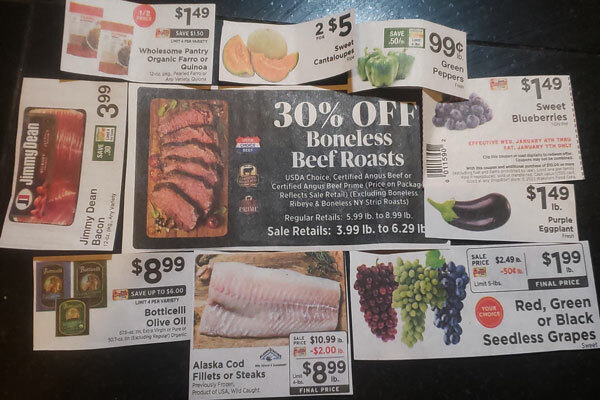
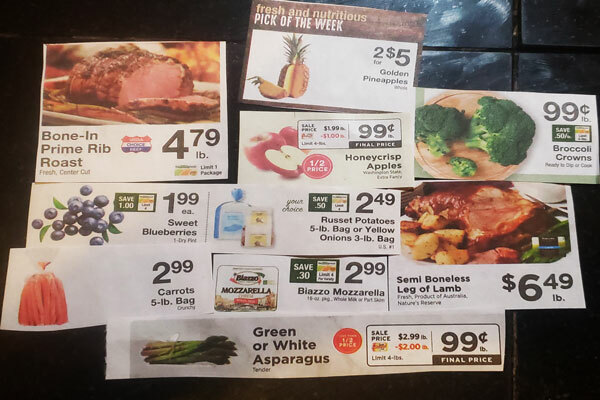
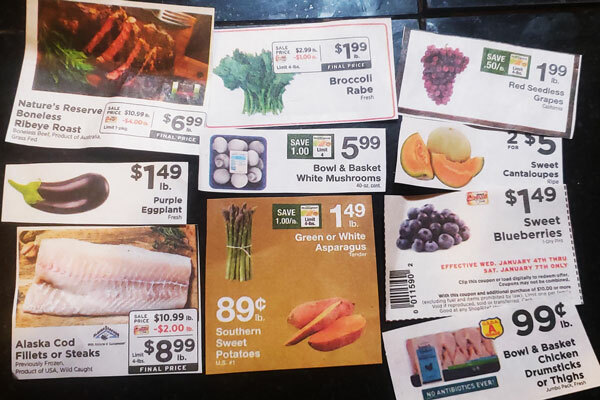
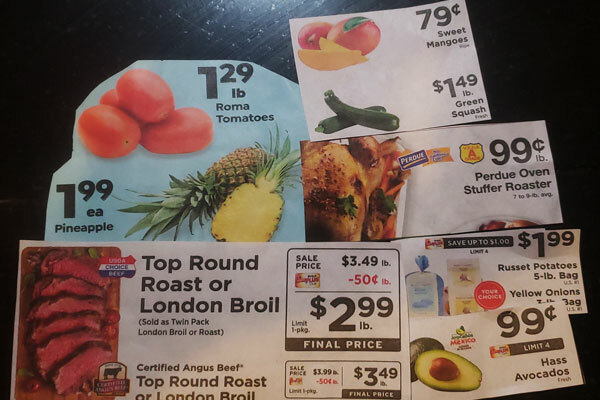
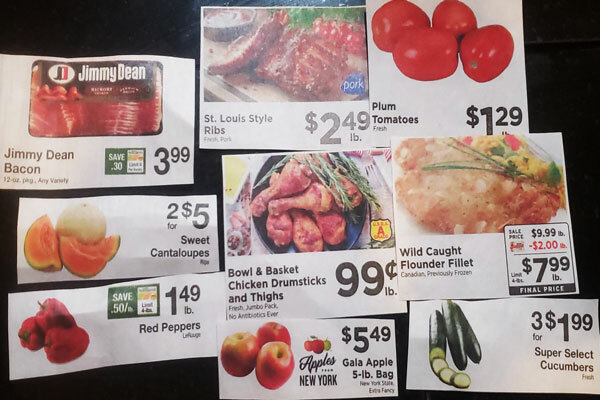
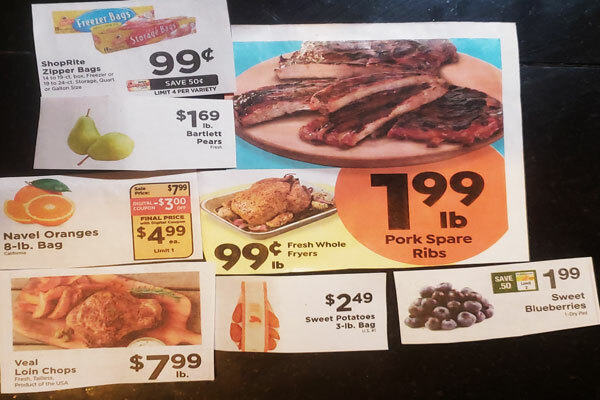
Here’s the promise: I’ll help you cook real meals—using weekly supermarket flyers to source fresh ingredients, save money, and still eat like you care about your life.
I bring real-world experience to the table—from farm-to-table kitchens to starred restaurants, and from boutique dining to producing thousands of meals a day on cruise ships and in major resorts. Along the way, I learned how to build systems that make food delicious, affordable, and doable for real life—and how to adapt them to a person or family’s needs.
My journey started in my hometown of Fiuggi, Italy, where my first summer job was making and scooping artisanal gelato while attending a respected hospitality college. From there, I worked in international hotels and resorts, directly involved in purchasing, menu design, and training teams for consistent production.
I also understand the full supply chain—manufacturing, distribution, and sales—because I’ve lived it. I helped build popular restaurants, and in the mid-’90s I was an early adopter of mail-order meals packaged in compostable containers—an idea that earned strong media attention at the time.
Today, I’m proud to serve as a certified mentor with SCORE (an SBA resource) in NYC, helping entrepreneurs build smarter operations and stronger businesses.
If you’re looking for recipes and menus that work in the real world—fresh, simple, technique-driven, and budget-aware—you’re in the right place.
Eat well, and live long.
The recipes are interchangeable. No need to follow a strict sequence.
-
Shop the flyer first: Pick what’s on special this week.
-
Then shop your freezer: Use what you already have to fill gaps.
-
Follow the variety rhythm (not rules):
-
Breakfast (7 days): 2 days eggs | 3 days shakes/RSW-NBars | 2 days oats/pancakes/crepes
-
Snacks (as needed): cheese | RSW-NBars | fruit | boiled eggs
-
Lunch (7 days): 2 days pasta | 3 days salads/soups | 2 days pizza/sandwiches
-
Dinner (7 days): 2 days poultry | 2 days fish | 1 day beef | 1 day pork/lamb | 1 day vegetarian
-
-
Use the 6-week “specials” rotation: When meat/seafood is discounted, buy a bit extra, portion it, and freeze—so you’re not paying full price next week.
-
Miss a day? Swap meals. The compass is sales + freezer + simple variety.
Want delicious, low-mess meals on a real-world budget?
RSW recipes rely on simple, mostly unprocessed ingredients
—protein, starch, vegetables, and a quick sauce
—so you can cook well without spending big.
The RSW dinner template (per serving):
6 oz protein
4 oz carbs
4 oz vegetables
2 oz sauce
To help you save even more, we teach:
how grocery stores run predictable markdown patterns
what to buy extra when it’s on special
how to portion and freeze for fast future meals

mostly ripe fruit and old-fashioned oatmeal.
The changing mix of fruit keeps it interesting.
A) Oatmeal cooked with chopped fruit*
B) fruit* smoothy with an oats, fruit & nuts nutri bar.
C) 16 oz. Coffee, 2 tsp sugar.
* Each recipe uses half fresh bananas & apples rounded by a mix of fruit from the freezer
for a 4 oz fruit mixed & 3 oz raw old-fashioned oats. This makes 12 to 16 ounces meals.
So I started to plan for snacks one of them is in form of ice cream
My ice creams have 5 ingredients: egg, milk, sugar fruit/s, and or nuts I am thinking of a version with lightly candied bacon for a healthy breakfast.
Making gelato was my first summer job, and I always enjoyed a good scoop or two. A while back I gifted myself a simple manual ice cream maker it makes 8 ounces, two scoops at a time in 10 minutes. I am enjoying it very much.
soup, salad, sandwich, or
3 oz. dry pasta that makes a 10 oz cooked plus 3 oz sauce
cheese or a medium-sized in-season fruit .
and add other veggies, cheeses, and other herbs & spices, to build it up.
My go-to dressing is EVOO and vinegar, salt & pepper.
Cucumbers, in their simplicity, have many health benefits
Cabbage Health Benefits
I never restrict myself from any food. If I feel for a "fatty item or recipe," I'm like a culinary magician. I find ways to keep all the flavors while cutting down on calories. It's like a delicious game for my mind, eyes, and taste buds.
Often I plan for a one-plate meal; other times, I'll get creative and whip up an appetizer and entree using the same amount of food. I always make sure to have 6 oz of protein, 4 oz of carbs, 4 oz of veggies, and 2 oz of sauce to create the perfect balance of flavors and nutrients.
My go-to plate includes 6 oz of protein, 4 oz of carbs, 4 oz of veggies, and 2 oz of sauce. If it's too much, adjust the portions or save some for later.
I've discovered that one pound of food is just the right amount for me. But if that's too much for you, no worries! Adjust the portions to your liking, or save some for tomorrow's lunch.
samples clippings