
Veggies & Fruit Basics
Real food doesn’t have to be expensive. It just needs a little know-how.
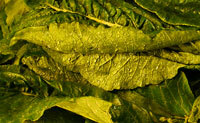
Most grocery stores mist leafy greens to keep them looking “fresh.” That extra water is weight you’re paying for.
Bruno tip:
Before bagging greens, gently shake off the water (or choose drier bunches). At home, wash once, dry well, and store smart—your greens last longer and you waste less.
At home: the #1 tool is a salad spinner.
Dry greens = less slime = fewer throwaways = more meals.
A Quick “Why” That Changes How You Eat Produce
Fruit is built to spread seeds, so the soft pulp is meant to attract eaters. Some vegetables work the same way—especially “fruit-vegetables” like peppers, tomatoes, cucumbers, and squash. The skin, white pith, and filaments (like in peppers) are often where you’ll find more fiber and protective plant compounds, including flavonoids.
“That’s why RSW recipes use the whole plant when possible.”
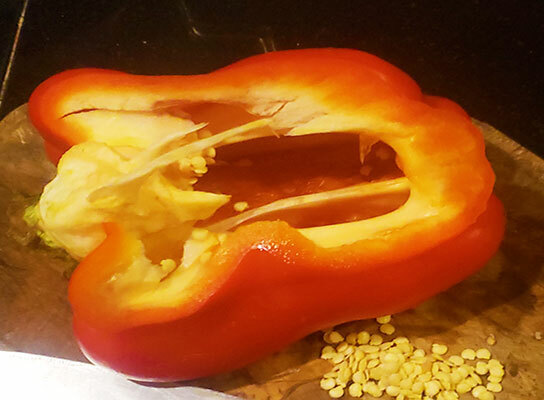
The white filaments are full of flavonoids
RSW rule:
Eat the whole plant when possible—especially the parts that make it harder for processed food to compete.
Cooking to Retain Nutrients
Cooking is not the enemy. Done right, it’s your ally.
The best “real life” cooking methods (Bruno-approved)
1) Quick sauté (5–8 minutes)
Great for: spinach, kale, zucchini, peppers, onions
✅ Fast = less nutrient loss
✅ Adds flavor so you actually eat vegetables
2) Steaming (light and short)
Great for: broccoli, green beans, carrots
✅ Gentle, keeps texture
Tip: steam until “bright and tender,” not mush.
3) Roasting (high heat, short time)
Great for: cauliflower, Brussels sprouts, carrots, sweet potato
✅ Concentrates flavor
✅ Makes “boring vegetables” addictive in a good way
4) Microwave steaming (yes, it counts!)
Fast, minimal water, minimal fuss.
✅ One of the best “busy day” hacks.
A simple cooking principle
Heat + time + water = nutrient loss.
So keep it:
quick
high flavor
low water
Don’t forget the “finish”
Vegetables come alive with a simple finish:
lemon or vinegar (brightness)
olive oil (satisfaction)
salt + pepper (balance)
herbs or chili flakes (personality)
Money-Saving Buying Habits
This is where RSW becomes a compass. You don’t need perfection—just a pattern.
The RSW “Flyer First” method
Check the weekly flyer (pick 2–3 vegetables + 2 fruits on special)
Build meals around them
Use freezer/pantry to fill the gaps
Buy the right form for the right job
Fresh: salads, raw crunch, quick sides
Frozen: smoothies, soups, stir-fries, sauté mixes (often cheaper, no waste)
Canned: tomatoes, beans, pumpkin, pineapple (watch added sugar/salt)
Choose “durable” produce to reduce waste
If you want produce that lasts longer:
cabbage, carrots, onions
apples, oranges
celery (if you store it right)
sweet potatoes, winter squash
Budget upgrade: “ugly” produce
Imperfect produce often tastes the same and costs less. If it looks rough but feels firm—buy it and cook it.
Money-Saving Freezing Habits
Freezing is your secret weapon. It turns weekly specials into future meals.
The freezer rules that keep food tasting good
Freeze fast, in usable portions.
spread pieces on a tray first, then bag
portion into “one-meal” sizes
label with date + what it’s for (soup / stir-fry / smoothie)
What freezes well (and how)
Berries: freeze on a tray, then bag (no clumps)
Bananas: peel first, break into chunks (smoothie gold)
Greens: freeze for smoothies, soups, and sautés (spinach is easiest)
Broccoli/green beans/carrots: blanch quickly, dry, tray-freeze
Peppers: slice raw, or roast/blister first for better flavor
Herbs: chop and freeze in ice cubes with water or olive oil
“Pre-cooked veg packs” (my favorite trick)
When a vegetable is cheap, batch-roast or quick-sauté it and freeze in portions.
Later, dinner becomes:
-
protein + frozen veg pack + quick sauce
Done in 10 minutes.
Bruno’s Bottom Line
Vegetables and fruit don’t need to be complicated.
They need to be fresh enough, cooked smart, and bought with a plan.
Flyer first. Freeze the wins. Eat the whole plant when you can.
That’s how you save money and eat like you care about your life.
